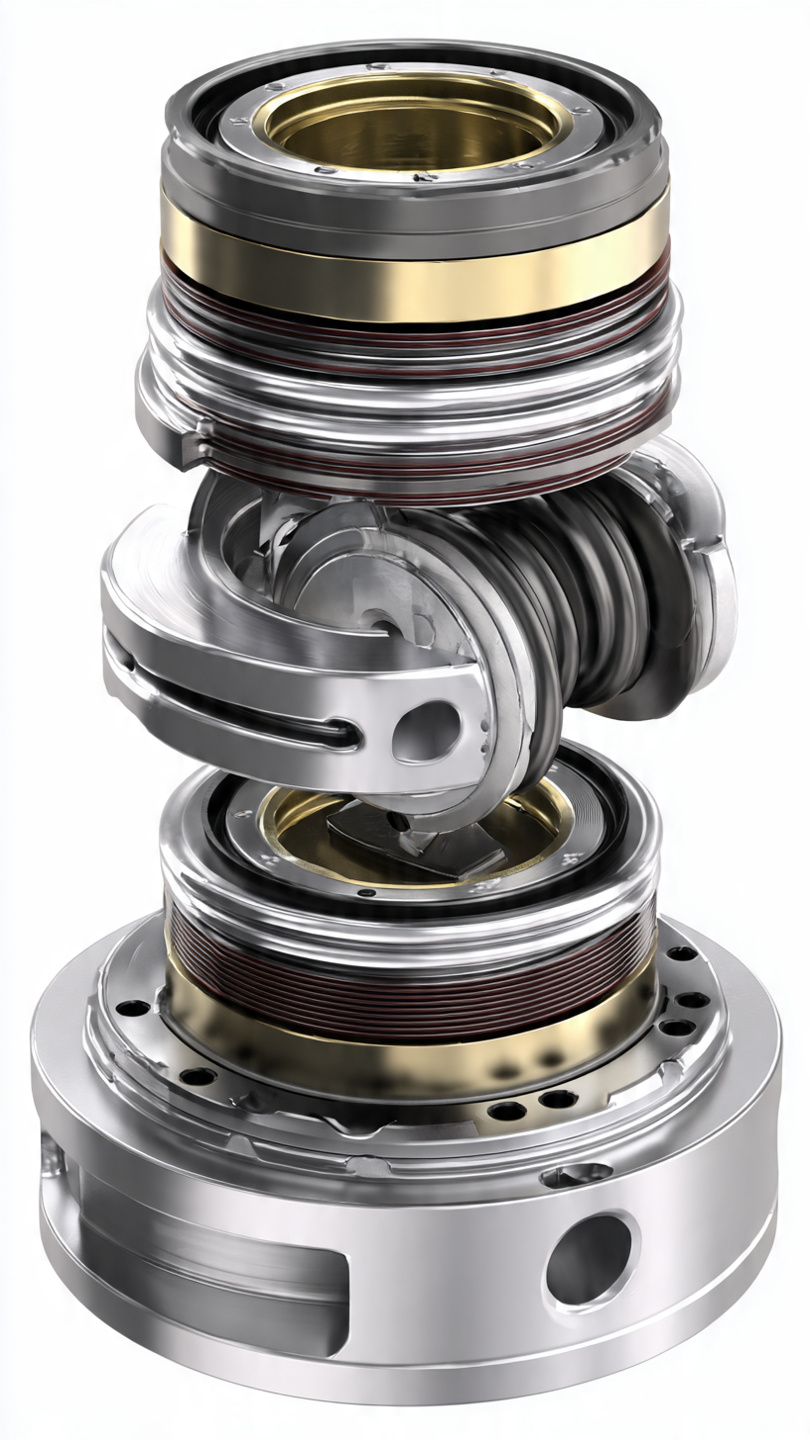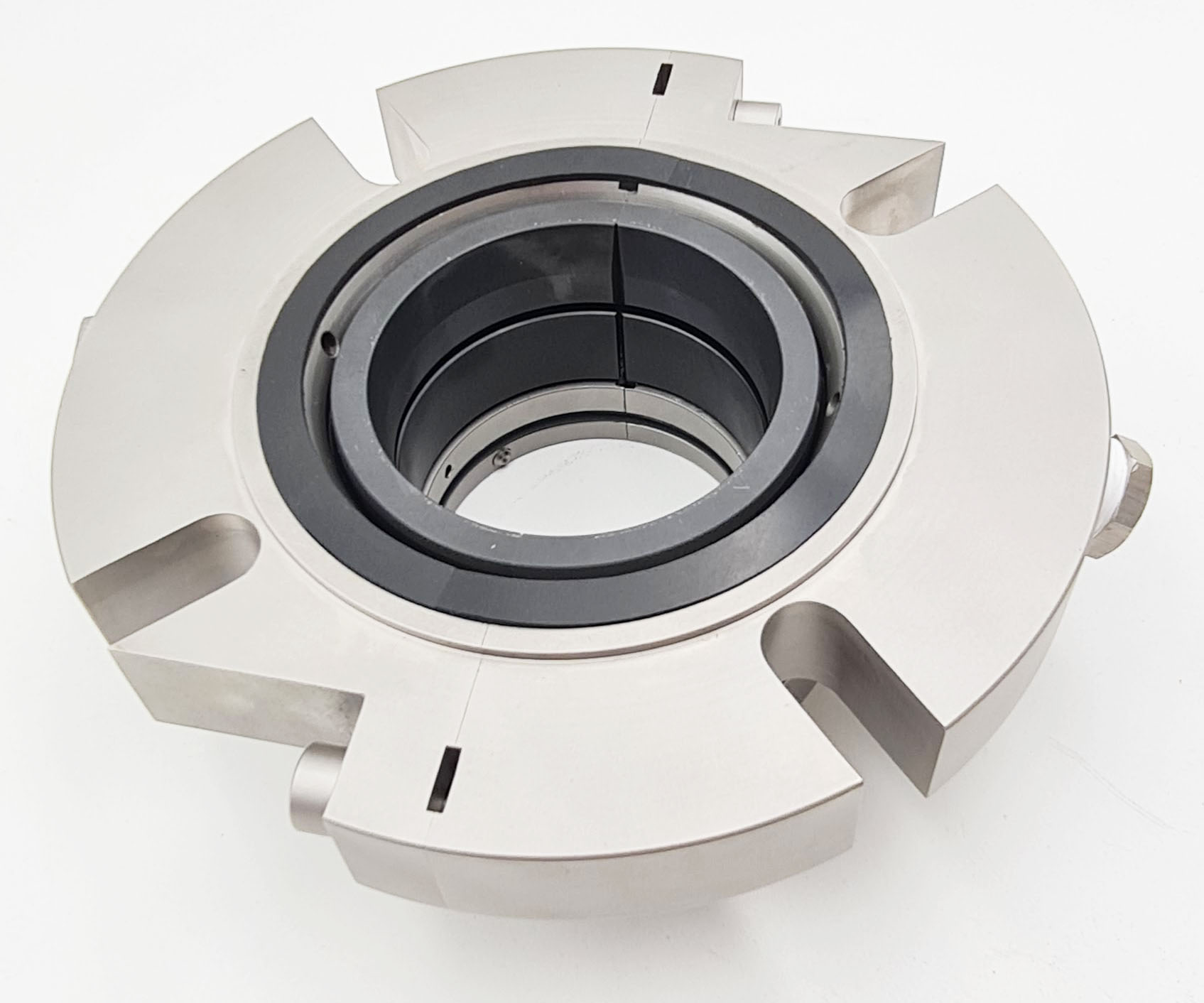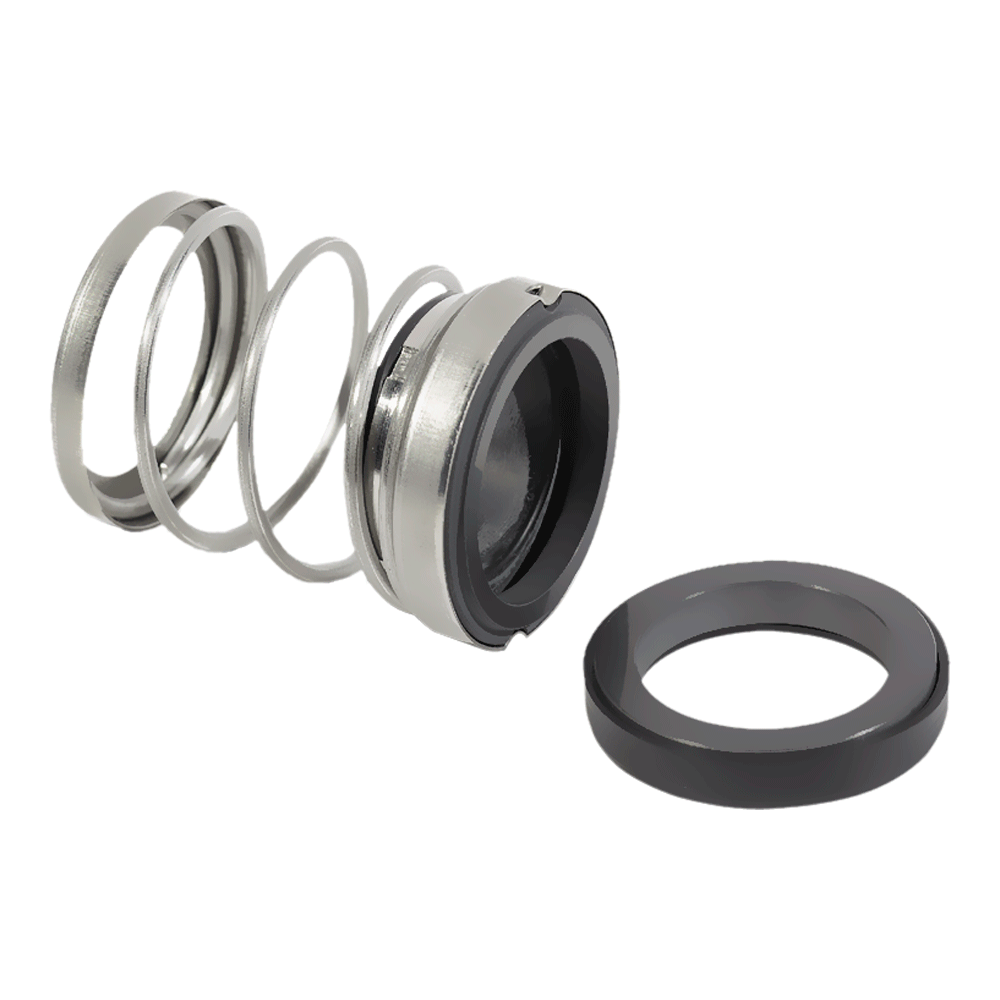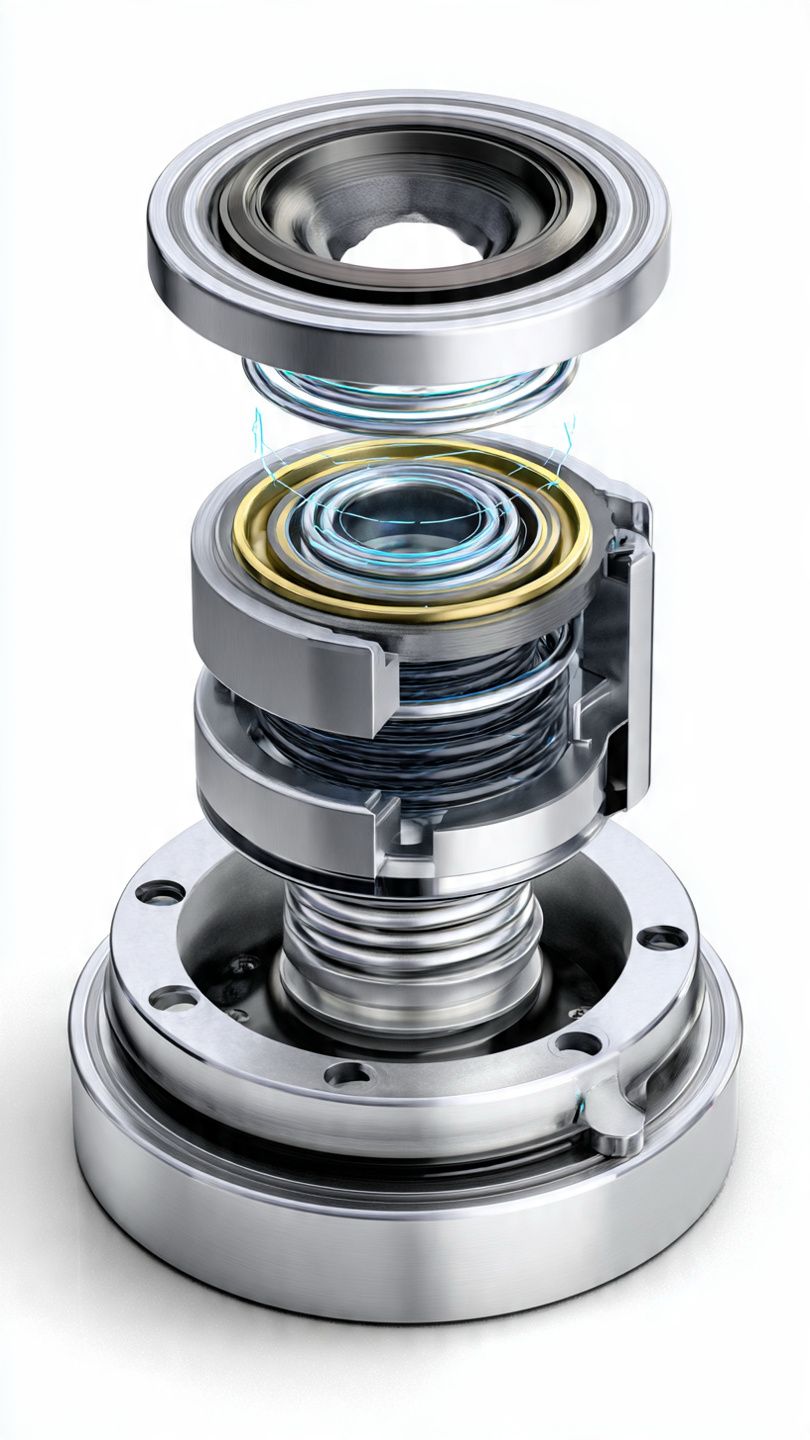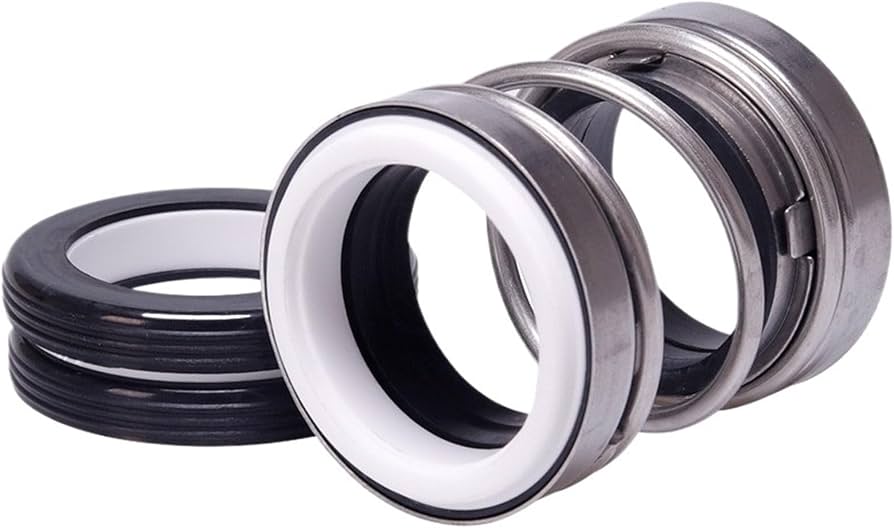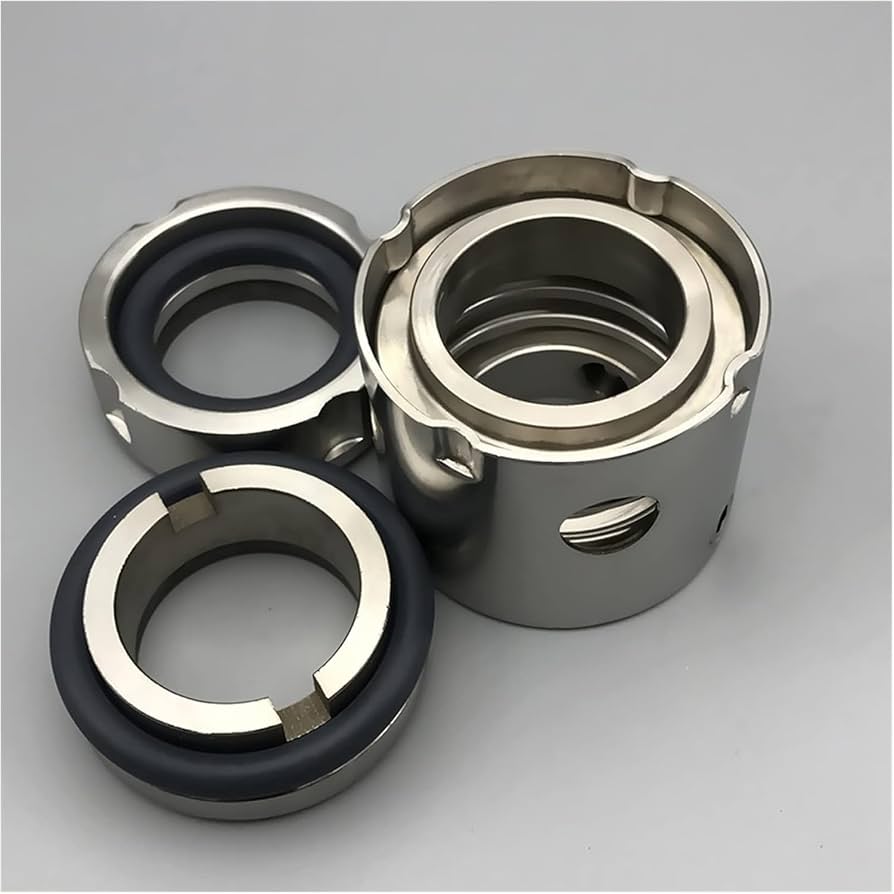
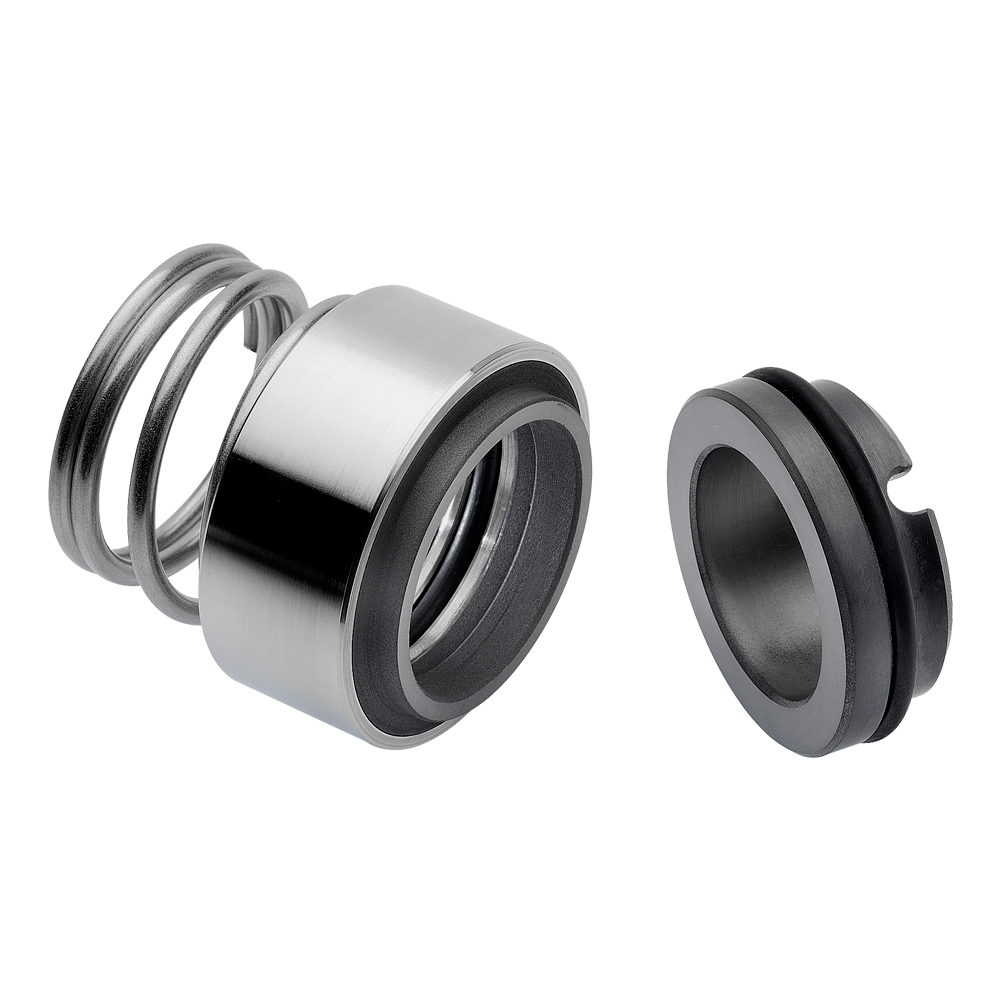
Choosing the correct mechanical seal is essential to ensure the reliability of a pump or mixer, preventing fluid leakage and unplanned downtime. There is no universal solution: the selection depends entirely on the operating conditions of the application.
💡 Golden Tip: If you're replacing a seal that fails too often, don't just buy the same model again. Examine the wear patterns on the seal faces or O-rings—they can quickly reveal whether the problem was caused by thermal shock, chemical attack, or excessive pressure.
01
size
The mechanical seal must match the shaft and pump housing dimensions. If the size is not correct (shaft diameter, housing, length), the seal will not work properly and may fail quickly.
02
Thermal Conditions
Temperature control is essential during installation and operation. Excessive or sudden temperature changes can damage the sealing faces, deform elastomers, and reduce the seal’s lifespan.
03
application
The mechanical seal must be selected according to its specific application. It is important to consider the type of fluid, pressure, rotation speed, and working conditions. Using the wrong seal can cause leaks or failure.
04
pomped fluid
The characteristics of the pumped fluid are very important for the seal performance. The fluid may be corrosive, abrasive, viscous, or clean, and it affects wear, lubrication, and cooling. The seal must be chemically compatible with the fluid.
"Different Types of Mechanical Seals".
Mechanical seals are devices used to prevent fluid leakage along the rotating shaft of pumps, agitators, and other industrial machines. They consist of extremely flat sealing faces that operate in contact or with a thin lubricating film. Depending on operating conditions (pressure, temperature, type of fluid, and required safety level), different configurations are available, each with specific characteristics.